

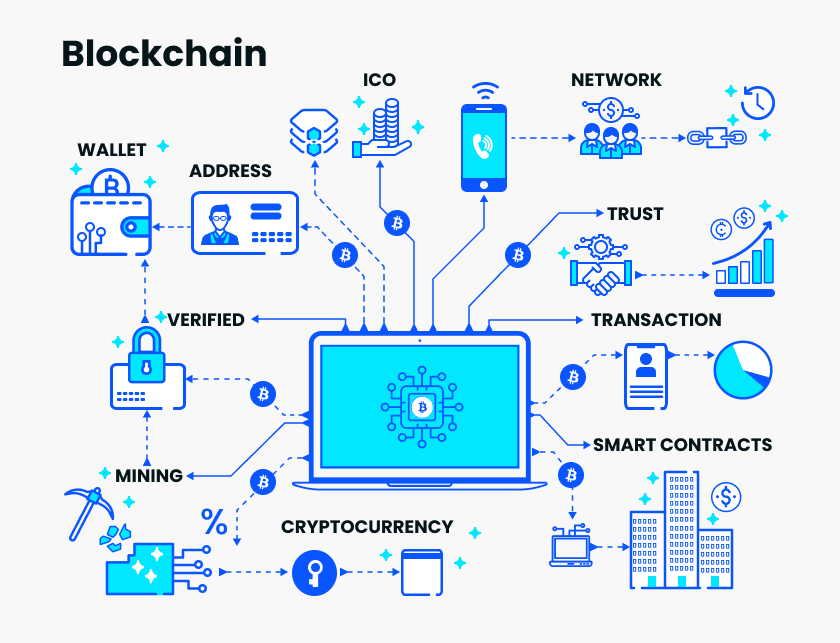
In an era where trust is paramount and transparency is increasingly demanded, blockchain technology emerges as a revolutionary solution that has the potential to transform various industries. At its core, blockchain is a decentralized digital ledger that securely records transactions across many computers in such a way that the registered transactions cannot be altered retroactively. This innovative technology not only enhances security but also fosters an environment of accountability, enabling individuals and organizations to interact with confidence.
As we delve deeper into the implications of blockchain, we begin to see its broader applications beyond cryptocurrencies. From supply chain management to healthcare and finance, blockchain is redefining how we establish trust in our transactions and relationships. By providing a transparent framework where all participants have access to the same data, blockchain empowers stakeholders and dismantles traditional barriers that have often led to mistrust. In this exploration, we will uncover how blockchain technology is reshaping the way we think about trust, transparency, and the future of our digital interactions.
Understanding Blockchain Technology
Blockchain technology is a decentralized and distributed digital ledger system that allows for secure and transparent record-keeping. It operates on a network of computers, known as nodes, which collectively maintain and validate the data shared across the network. Each block in the chain contains a list of transactions, along with a timestamp and a unique cryptographic hash of the previous block. This structure ensures that once information is recorded, it cannot be altered without consensus from the network, providing a high level of security and integrity.
One of the key features of blockchain technology is its ability to foster trust among participants. Because the data is distributed across multiple nodes, there is no central authority controlling the information. This decentralization minimizes the risk of fraud and manipulation, as each participant can independently verify the authenticity of the records. The transparency inherent in blockchain allows all users to access the same information, further enhancing trust in transactions and interactions.
The potential applications of blockchain technology are vast and varied, spanning industries such as finance, supply chain, healthcare, and more. By enabling secure peer-to-peer transactions without intermediaries, blockchain has the power to reduce costs, increase efficiency, and streamline operations. As more organizations explore the adoption of this transformative technology, its ability to redefine trust and transparency in our digital interactions becomes increasingly apparent.
The Role of Trust in Blockchain
Trust is a fundamental component of any transaction or interaction, and blockchain technology redefines how we establish and maintain it. In traditional systems, trust is often built on intermediaries such as banks or regulatory bodies, which have the authority to validate and verify transactions. However, these intermediaries can be prone to errors, biases, and even corruption. By leveraging decentralized networks, blockchain eliminates the need for trusted third parties, allowing participants to interact directly with one another. This shift not only reduces the risk of fraud but also fosters a more transparent environment where every transaction is recorded on an immutable ledger.
Moreover, blockchain enhances trust through its inherent characteristics. Each block in the chain is linked to the previous one using cryptographic hashes, creating a secure and verifiable history of transactions. This design ensures that once information is entered into the blockchain, it cannot be altered or deleted without the consensus of the network. As a result, blockchain provides a high level of data integrity, which is crucial for establishing and maintaining trust among users. The transparency offered by public blockchains allows anyone to audit transactions, further reinforcing confidence in the system.
As industries adopt blockchain technology, the implications for trust are profound. For businesses, the ability to demonstrate transparent operations can cultivate stronger relationships with customers and partners by proving accountability and ethical practices. In sectors such as supply chain management, for example, blockchain can verify the provenance of goods, ensuring that products are sourced responsibly. This not only builds trust with consumers but also promotes sustainability. Ultimately, blockchain technology is not just about securing transactions; it is about creating a trustworthy ecosystem that supports a more transparent and accountable future for all.
Transparency Through Decentralization
Blockchain technology enables a level of transparency that traditional systems struggle to achieve. By decentralizing data storage and management, blockchain allows all participants in a network to access the same information in real-time. This shared ledger ensures that every transaction is recorded and visible to all authorized users, reducing the likelihood of fraud and manipulation. As a result, trust is built not solely on the reputation of a centralized authority but rather on the integrity of the collective data.
The transparency afforded by blockchain has significant implications across various industries. In supply chain management, for example, every step of the journey from producer to consumer is recorded on the blockchain. This traceability provides consumers with the ability to verify the authenticity of products, ensuring fair practices and ethical sourcing. Businesses can demonstrate accountability and responsibility, fostering a deeper trust between them and their stakeholders.
Moreover, blockchain reduces the burden of audits and compliance by providing a clear and immutable record of all transactions. This transparency simplifies the verification process, as external parties can review the blockchain without needing extensive documentation or access to proprietary systems. Consequently, companies can operate with greater efficiency while maintaining the trust of investors, customers, and regulatory bodies, ultimately leading to a more transparent business environment.