

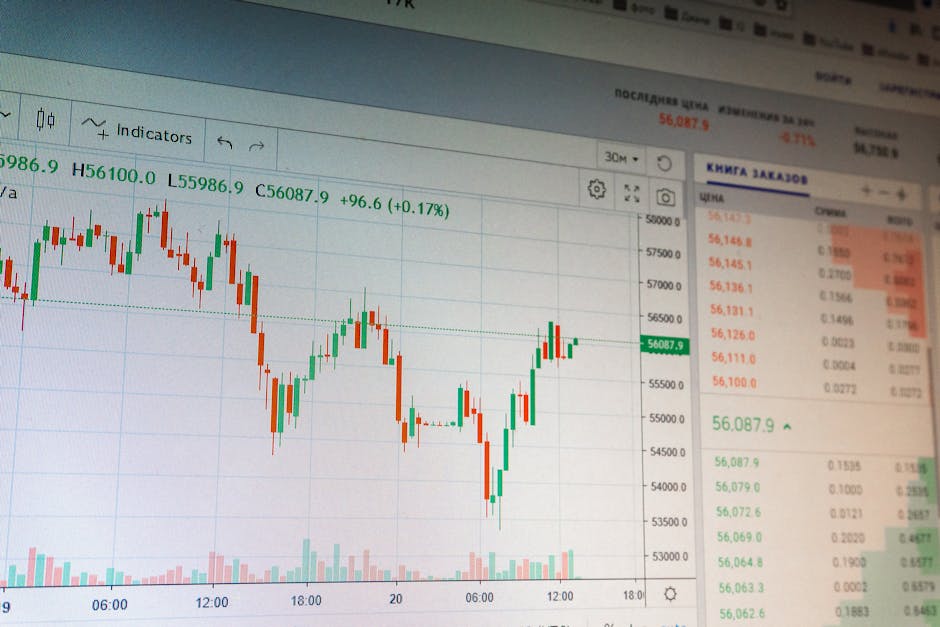
As digital currencies gain popularity, understanding how to protect these assets becomes increasingly important. With the rise of cryptocurrencies and other forms of digital currency, individuals are presented with new opportunities for investment and transactions. However, this also comes with significant risks. digital currency protection is essential for anyone looking to safeguard their investments from theft, loss, or fraud. This article will explore the common risks associated with digital currencies, best practices for securing your assets, and the tools and services that can help enhance your security.
Understanding Digital Currency Risks
Digital currencies, while revolutionary, are not without their vulnerabilities. One of the primary risks is the potential for theft. Cybercriminals employ various tactics, such as phishing attacks and malware, to gain access to digital wallets and exchange accounts. Additionally, the decentralized nature of many digital currencies means that once a transaction is made, it cannot be reversed, making recovery from theft or fraud challenging.
Another risk involves the security of the platforms used to buy, sell, and trade digital currencies. If an exchange suffers a data breach or is hacked, users may lose their assets. Furthermore, market volatility can lead to significant financial loss in a short period, adding another layer of risk for investors.
Best Practices for Securing Digital Assets
To mitigate these risks, implementing best practices for digital currency protection is crucial. Here are several key strategies to consider:
Password Management
Strong, unique passwords are the first line of defense in protecting digital assets. It is essential to use complex passwords that combine letters, numbers, and special characters. Additionally, avoid using the same password across multiple platforms. Utilizing a reputable password manager can help keep track of your passwords securely.
Two-Factor Authentication (2FA)
Enabling two-factor authentication adds an extra layer of security. This process requires not only a password but also a second form of verification, such as a code sent to your mobile device. Many exchanges and digital wallets support 2FA, and it is highly recommended to enable this feature wherever possible.
Safe Storage Options
When it comes to storing digital currencies, choosing the right method is vital. Hot wallets, which are connected to the internet, are convenient but more vulnerable to attacks. Cold storage options, such as hardware wallets or paper wallets provide enhanced security by keeping assets offline. For long-term investments, cold storage is often considered the safest option.
Tools and Services for Digital Currency Protection
In addition to personal security measures, utilizing reliable tools and services can further enhance your digital currency protection. Here are some options to consider:
Security Software
Investing in robust security software is essential for protecting against malware and phishing attempts. Look for antivirus programs that offer real-time protection and regular updates to keep your devices secure.
Reputable Exchanges
When selecting a platform for trading or storing digital currencies, choose reputable exchanges with a strong track record of security. Research their security measures, including insurance policies for digital asset losses, to ensure your funds are well protected.
Regular Monitoring
Regularly monitoring your digital currency accounts can help detect any unauthorized activity early. Set up alerts for transactions or changes in account settings to stay informed about your assets' status.
Conclusion
Digital currency protection is a multifaceted approach that requires awareness and proactive measures. Understanding the inherent risks associated with digital currencies is the first step toward safeguarding your investments. By implementing best practices for security, utilizing the right tools and services, and staying informed about potential threats, you can significantly reduce your exposure to loss or theft. For further insights and information on securing your digital assets, consider exploring reliable resources available online.
Ultimately, the responsibility for protecting your digital currency lies with you. Prioritize security, and take the necessary steps to ensure your investments remain safe in this evolving digital landscape. For more information on effective digital currency protection strategies, visit Monica Cash.