

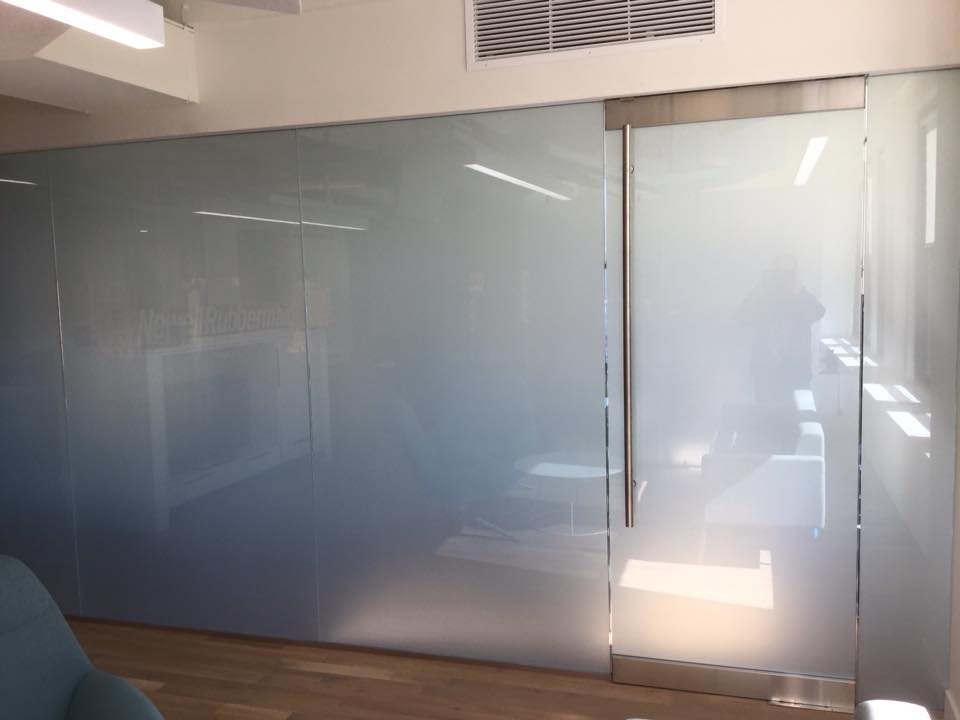
Switchable Film offers a remarkable innovation in interior design and functionality, allowing spaces to be transformed at the touch of a button. This cutting-edge technology has rapidly gained popularity in both residential and commercial settings for its ability to enhance privacy, create dynamic environments, and improve energy efficiency. With Switchable Film, the ordinary can instantly become extraordinary, introducing a touch of magic that captivates all who experience its transformative powers.
Benefits of Switchable Film
Switchable Film offers a versatile solution for creating dynamic spaces with a touch of innovation. With its ability to transition from transparent to opaque at the flick of a switch, this innovative technology provides users with customizable privacy settings in an instant. Whether it's a conference room needing privacy for sensitive discussions or a retail space looking to showcase products in an interactive way, Switchable Film enhances functionality while adding a touch of modern flair.
In addition to its privacy-enhancing features, Switchable Film also helps to regulate light levels, reducing glare and enhancing comfort in various settings. By controlling the amount of natural light that filters through, it allows for a more pleasant and productive environment. This adaptability is particularly useful in environments where sunlight can be excessive or distracting, such as offices, hospitals, or residential spaces, where maintaining optimal lighting conditions is crucial for the well-being of occupants.
Moreover, the energy-efficient properties of Switchable Film make it a sustainable choice for environmentally conscious projects. By reducing the need for blinds, curtains, or other window treatments, this innovative film helps to conserve energy by minimizing the use of artificial lighting and heating, leading to potential cost savings and a reduced carbon footprint. Its smart technology not only enhances the aesthetics of a space but also contributes to a greener and more efficient way of utilizing resources.
Applications in Architecture
Switchable Film technology has revolutionized the way architects design and create spaces. One of the key applications of Switchable Film in architecture is its ability to enhance privacy in various settings. By simply activating the film, it can transform transparent surfaces into opaque barriers, offering instant privacy to individuals inside a space. This feature is particularly useful in office buildings, conference rooms, and healthcare facilities where privacy is essential.
Moreover, Switchable Film contributes to energy efficiency in architectural design. The film can control the amount of light entering a space, reducing the need for artificial lighting and HVAC systems. This not only leads to cost savings but also helps in creating sustainable and eco-friendly buildings. Architects can utilize Switchable Film to optimize natural light exposure, creating comfortable environments that promote well-being and productivity.
In addition to privacy and energy efficiency, Switchable Film offers architects a versatile tool for creative expression. The film can be customized with designs, logos, or patterns, adding a unique aesthetic touch to interior and exterior spaces. Whether used as partitions, windows, or interactive displays, Switchable Film allows architects to innovate and transform ordinary spaces into dynamic environments that engage and inspire occupants.
Future of Switchable Film
Switchable Film technology is poised to revolutionize the way we interact with our environments. As advancements continue to drive innovation in this field, we can expect to see even more sophisticated applications of Switchable Film in various industries and settings. From smart homes to commercial spaces, the future holds endless possibilities for the seamless integration of this transformative technology.
The architectural landscape is set to be transformed with the widespread adoption of Switchable Film. As designers and builders increasingly incorporate this dynamic material into their projects, we can anticipate a shift towards more sustainable, energy-efficient structures. With the ability to control light, privacy, and temperature at the touch of a button, Switchable Film is set to become a staple feature in the buildings of tomorrow.
Furthermore, the integration of Switchable Film into automotive design represents an exciting frontier in the evolution of vehicle technology. Imagine windows that can instantly tint for privacy or glare reduction, or sunroofs that seamlessly transition from transparent to opaque. The future of automotive innovation is bright with possibilities as Switchable Film continues to pave the way for a more connected and customized driving experience.