

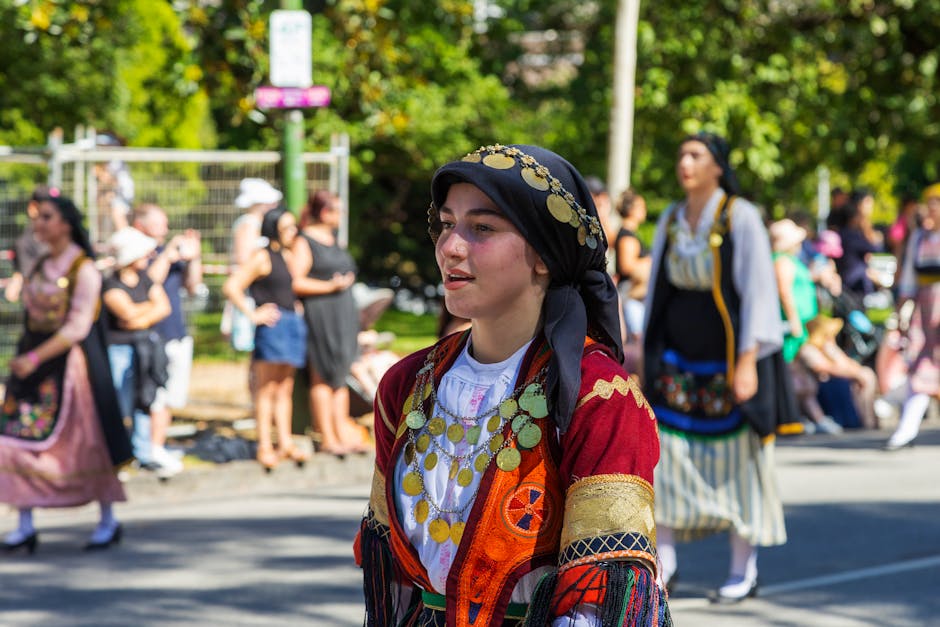
Heritage fashion embodies a rich tapestry of cultural identity and history, showcasing styles that honor the craftsmanship and traditions of previous generations. This concept emphasizes the significance of clothing not merely as a vehicle for personal expression but as a reflection of societal values, regional influences, and historical narratives. By understanding heritage fashion, individuals can appreciate the intricate connections between clothing and cultural identity while also finding ways to incorporate these timeless styles into their modern wardrobes.
The Historical Significance of Heritage Fashion
Heritage fashion draws its inspiration from various historical periods and cultural movements, each contributing unique elements to the fashion landscape. From traditional textiles and techniques to specific garment styles that have transcended generations, heritage fashion is a celebration of the past. For instance, the intricate embroidery of Indian saris, the tailored silhouettes of British tweed, and the vibrant patterns of African textiles all tell stories of their respective cultures.
Throughout history, clothing has often served as a means of signaling identity, status, and belonging. Traditional garments, such as the kimono in Japan or the kilt in Scotland, are not only functional but also carry deep cultural meanings. These pieces often represent a connection to heritage and ancestry, making them essential to understanding the roots of various cultures. By exploring heritage fashion, one can gain insights into the artistic expression and values of different societies.
Current Trends in Heritage Fashion
In recent years, there has been a notable resurgence in interest in heritage fashion, with designers and brands embracing traditional techniques and styles. This movement is characterized by a blend of vintage aesthetics with modern sensibilities, resulting in collections that are both nostalgic and innovative. Designers are increasingly focusing on sustainability, opting for ethically sourced materials and artisanal methods that honor traditional craftsmanship.
Collections that celebrate heritage fashion often feature bold patterns, rich textures, and a palette inspired by nature and cultural motifs. Many contemporary designers are collaborating with artisans from various regions to create pieces that merge traditional craftsmanship with modern design principles. This not only helps preserve ancient techniques but also encourages a dialogue between the past and present in fashion. Retailers may also offer curated selections that highlight the beauty and diversity of heritage styles, allowing consumers to explore this rich fashion history.
How to Incorporate Heritage Fashion into Your Wardrobe
Integrating heritage fashion into your daily attire can be a rewarding way to express individuality while honoring tradition. Here are some practical tips to help you seamlessly blend these timeless pieces into your wardrobe:
- Start with Statement Pieces: Consider adding one or two heritage-inspired items, such as a beautifully crafted jacket or a patterned scarf, to your outfit. These statement pieces can serve as focal points that elevate your entire look.
- Mix and Match: Combine heritage fashion items with contemporary pieces to create a balanced ensemble. For instance, pairing a traditional garment with modern denim or minimalist accessories can create an interesting contrast that feels fresh and stylish.
- Accessorize Thoughtfully: Incorporate heritage-inspired accessories such as jewelry, handbags, or shoes that reflect cultural artistry. These smaller elements can add depth to your outfit without overwhelming it.
- Explore Local Markets: Seek out local artisans or boutiques that specialize in handcrafted heritage fashion. Supporting these businesses not only enriches your wardrobe but also contributes to the preservation of cultural traditions.
| Key Elements | Examples | Benefits |
|---|---|---|
| Textiles | Silk. Cotton. Wool | Durability. Comfort |
| Techniques | Embroidery. Weaving | Artisan Skill. Cultural Heritage |
| Styles | Kimono. Kilt | Identity. Tradition |
By thoughtfully incorporating heritage fashion into your wardrobe, you celebrate the artistry and narratives woven into every garment. This not only enhances your personal style but also fosters a deeper connection to the rich history and cultural significance that heritage fashion represents. For those looking to explore a variety of curated heritage pieces, resources such as Bad Mojo provide excellent options to begin your journey into this timeless fashion realm.