

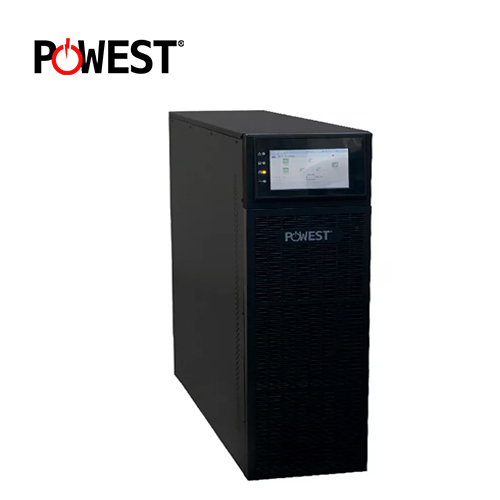
In today's fast-paced world, where technology plays a crucial role in our daily lives, the importance of uninterrupted power cannot be overstated. Whether it's for home entertainment systems, essential appliances, or critical business operations, a sudden power outage can lead to chaos and loss. This is where UPS batteries come into play, offering a reliable solution to ensure that your devices remain powered even when the grid fails.
Understanding the fundamentals of UPS batteries is essential for anyone looking to maintain a smooth and uninterrupted lifestyle. These batteries act as a backup power source, keeping your critical systems running during outages and providing peace of mind. In this guide, we will explore the different types of UPS batteries available, their benefits, and how to choose the right one for your needs. With the right knowledge, you can make informed decisions that keep your life running effortlessly, no matter what surprises the power supply may bring.
Understanding UPS Battery Types
When it comes to uninterruptible power supplies, or UPS systems, the type of battery used plays a crucial role in determining performance and reliability. There are several common types of UPS batteries, including lead-acid batteries, lithium-ion batteries, and nickel-cadmium batteries. Each type has its own advantages and disadvantages, making it essential for users to choose the right battery based on their specific needs and applications.
Lead-acid batteries are the most widely used in UPS systems due to their affordability and established technology. They are available in two main varieties: sealed lead-acid (SLA) and flooded lead-acid. SLA batteries require less maintenance and are commonly used in smaller UPS systems, while flooded lead-acid batteries are typically found in larger setups where longer run times are necessary. However, lead-acid batteries have a shorter lifespan compared to newer technologies, often lasting three to five years.
Lithium-ion batteries are becoming increasingly popular for UPS applications due to their longer lifespan, higher energy density, and lighter weight compared to lead-acid options. These batteries can last up to ten years or more, leading to lower replacement costs over time. They also provide faster charging times and better efficiency, though they tend to be more expensive upfront. Understanding the differences between these battery types helps consumers make informed decisions to ensure their UPS systems deliver reliable power when needed.
Selecting the Right UPS Battery
Choosing the right UPS battery is crucial for ensuring that your devices remain powered during outages and interruptions. First, consider the power requirements of the equipment you intend to support. Each device will have a wattage rating, and selecting a UPS battery that can handle the total wattage of your devices is essential. This requires calculating the total load and ensuring that the UPS battery capacity, measured in Volt-Amperes (VA) or Watts, exceeds this figure.
Another important factor to evaluate is the runtime you need during a power failure. Different UPS batteries provide varying amounts of backup time depending on the load. If you only need a few minutes of backup to save your work and shut down properly, a smaller unit may suffice. However, if you require extended power for critical applications, investing in a battery with a higher capacity and longer runtime is advisable.
Finally, consider the battery type. Lead-acid batteries are common and inexpensive, but they have a shorter lifespan compared to lithium-ion batteries, which are more expensive but last longer and offer better performance in the long run. Evaluate your budget and specific requirements, including the frequency of power outages and the importance of continuous operation, to make an informed decision on the best UPS battery for your situation.
Maintenance Tips for Long-lasting Performance
Proper maintenance of UPS batteries is crucial to ensure they operate efficiently and last as long as possible. Regularly check the batteries for any signs of swelling, leakage, or corrosion, which can indicate a problem. Keeping the battery terminals clean and free from corrosion will help maintain a good connection and enhance performance. Always follow the manufacturer's guidelines regarding inspections and maintenance schedules.
Temperature control is another vital factor for the longevity of UPS batteries. Keeping the batteries in a cool, dry environment can significantly extend their lifespan. Excess heat can accelerate wear and tear, leading to premature failure. Ensure that the ventilation around the UPS system is sufficient to prevent overheating, especially during peak usage times.
Finally, it’s essential to perform routine testing of the UPS system as a whole. This includes conducting regular battery tests to assess their health and capacity. Consider investing in monitoring tools that can provide real-time data on battery performance. By staying proactive with these maintenance practices, you can avoid unexpected outages and ensure that your UPS batteries deliver uninterrupted power when you need it most.