

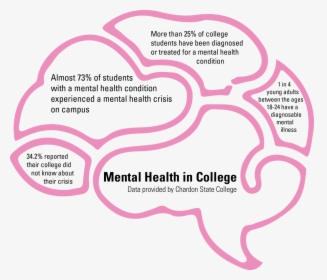
In today’s fast-paced world, nurturing our mental health is more vital than ever. It’s a journey that we all undertake, each step guiding us towards a greater understanding and appreciation of ourselves. Mental health encompasses our emotional, psychological, and social well-being, influencing how we think, feel, and act on a daily basis. It’s a dynamic process that requires gentle care and attention to flourish in a positive direction.
Understanding Mental Health
Mental health is a critical aspect of overall well-being. It encompasses our emotional, psychological, and social well-being, affecting how we think, feel, and act. Just like physical health, mental health varies from person to person and can be influenced by various factors.
Taking care of our mental health involves understanding and managing our emotions, thoughts, and behaviors in a healthy way. It is about finding balance in life, recognizing our strengths and limitations, and coping with life's challenges effectively. Seeking help when needed and being open to different forms of support are important steps in maintaining good mental health.
It is important to remember that mental health is not a linear journey. It is normal to experience ups and downs, and it's okay to not always feel okay. Embracing the journey of nurturing our mental health means being kind to ourselves, practicing self-care, and seeking help when needed. By prioritizing our mental well-being, we can lead fulfilling and balanced lives.
Practical Tips for Self-Care
First and foremost, remember to prioritize rest and sleep. Making sure you get an adequate amount of sleep each night can significantly impact your mental health. Establish a calming bedtime routine to help you unwind and relax before going to sleep.
Additionally, practice mindfulness and be present in the moment. Engage in activities that bring you joy and help you stay grounded. Whether it's going for a walk in nature, meditating, or simply enjoying a cup of tea, take the time to fully experience the present moment without distractions.
Lastly, don't underestimate the power of physical activity. Regular exercise has been shown to improve mood and reduce symptoms of anxiety and depression. Find an exercise routine that you enjoy, whether it's yoga, dancing, or going for a run, and make it a priority in your self-care routine.
Seeking Professional Support
Mental Health Continuing Edcuation
Sometimes, taking care of our mental health requires the expertise of trained professionals. Therapists, psychologists, and psychiatrists can offer valuable support and guidance as we navigate the challenges that come our way. It's important to remember that seeking help is a sign of strength, not weakness.
Professional support can come in various forms, such as individual therapy, group therapy, or psychiatric medication management. The key is to find the approach that works best for you and to be open to the process of healing and growth. A mental health professional can provide a safe space for you to explore your thoughts and feelings, offering valuable insights and coping strategies along the way.
Remember, you don't have to go through this journey alone. Seeking help from a mental health professional is a proactive step towards taking better care of yourself. By reaching out for support, you are investing in your well-being and giving yourself the gift of self-compassion and growth.