

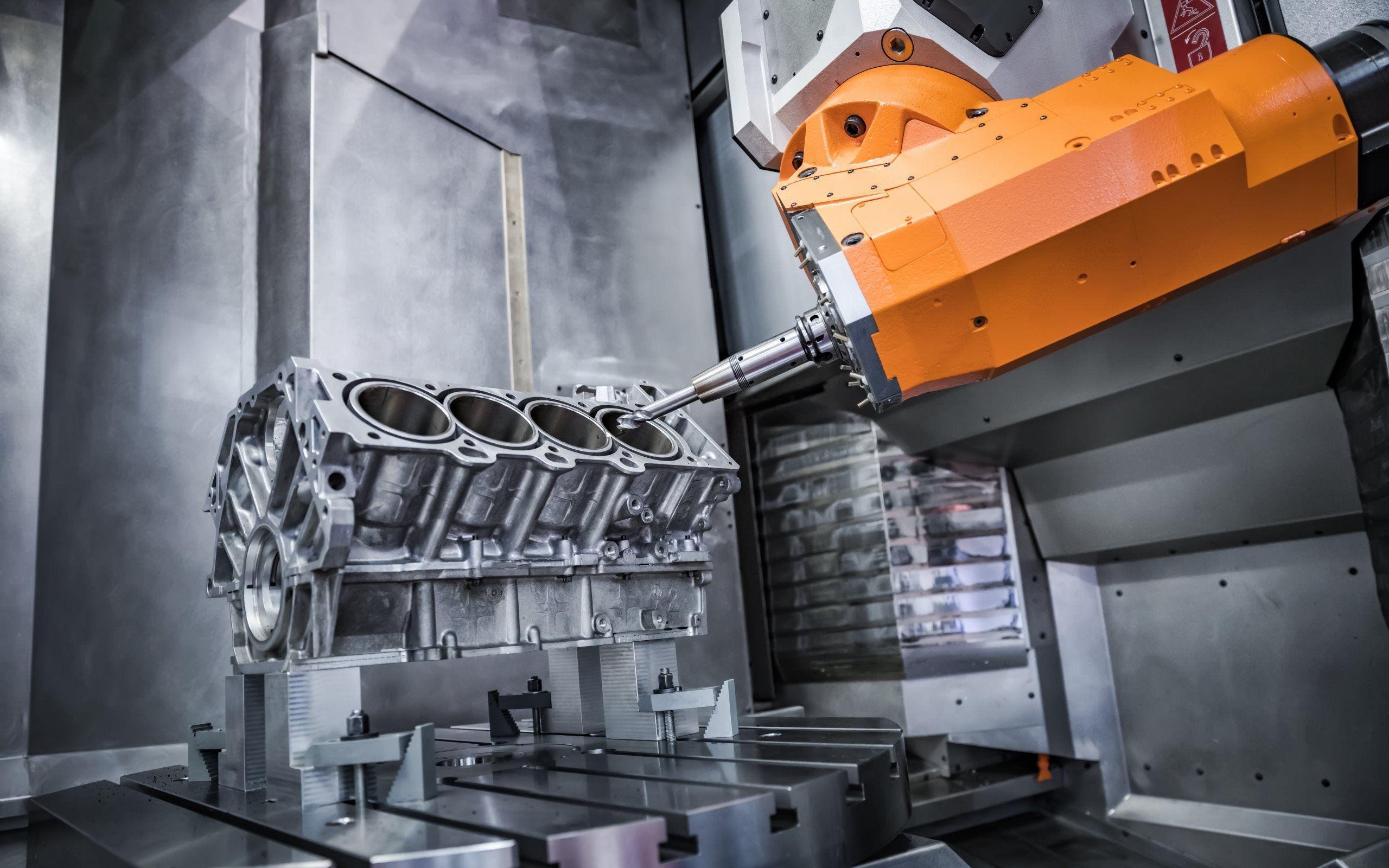
In today's rapidly advancing industrial landscape, the realm of heavy vehicle manufacturing and supply stands at the forefront of innovation and transformation. The evolution of this sector is not just crucial for meeting the escalating demands of transportation and logistics but also for shaping the future of sustainable mobility. With the convergence of cutting-edge technology and refined engineering, heavy vehicle manufacturers are redefining the standards of performance, efficiency, and environmental responsibility. This metamorphosis is not limited to the vehicles themselves but extends to the entire supply chain, where agility, customization, and seamless integration are becoming paramount. As the industry navigates through challenges and opportunities, the intricate dance between tradition and modernization is steering heavy vehicle manufacturing and supply towards a future that is both dynamic and promising.
Challenges in Heavy Vehicle Manufacturing
In the realm of heavy vehicle manufacturing, one of the prominent challenges faced by industry players is ensuring compliance with stringent regulatory standards. As environmental concerns continue to drive policy changes, manufacturers must navigate a complex landscape of emissions regulations and safety requirements to deliver products that meet industry standards while remaining competitive in the market.
Another key challenge is the integration of advanced technologies into heavy vehicle production processes. As the industry moves towards automation, electrification, and connectivity, manufacturers must invest in research and development to adopt these innovations seamlessly. Implementing cutting-edge technologies requires significant capital investment and reshaping traditional manufacturing practices, posing a challenge in balancing cost-effectiveness with operational efficiency.
Supply chain management presents yet another challenge in heavy vehicle manufacturing. With global supply chains becoming increasingly complex and interconnected, manufacturers must grapple with issues such as inventory management, logistics optimization, and supplier relationships. Ensuring a smooth flow of parts and components from multiple sources is crucial to meeting production deadlines and delivering high-quality vehicles to customers worldwide.
Technological Innovations in Supply Chain
Heavy vehicle manufacturing and supply have witnessed a significant transformation in recent years due to advancements in technology. One key innovation is the use of real-time tracking systems. This technology allows manufacturers and suppliers to monitor the movement of vehicles and parts throughout the supply chain, enabling greater efficiency and visibility.
Another notable technological innovation in heavy vehicle manufacturing and supply is the adoption of autonomous vehicles for transportation and logistics. These self-driving vehicles can operate without human intervention, making them a cost-effective solution for transporting heavy components from one location to another.
Additionally, the integration of Artificial Intelligence (AI) and machine learning algorithms has revolutionized the supply chain processes in heavy vehicle manufacturing. These technologies help in forecasting demand, optimizing inventory management, and streamlining production schedules, ultimately leading to improved efficiency and reduced costs.
Sustainable Practices for Future Growth
In order to ensure long-term viability in the heavy vehicle manufacturing and supply sector, embracing sustainable practices is essential. Implementing efficient production processes, utilizing environmentally-friendly materials, and reducing waste are key strategies for driving the industry forward. By incorporating sustainable principles into every aspect of operations, companies can minimize their ecological footprint and contribute to a healthier planet.
Another critical aspect of sustainable growth is investing in research and development to drive innovation in heavy vehicle manufacturing. By developing new technologies and exploring alternative fuel sources, companies can reduce emissions and improve overall sustainability in the industry. Collaboration with industry partners and government entities can also foster a more robust ecosystem for innovation and progress in the heavy vehicle sector.
Furthermore, promoting transparency and accountability within the supply chain is paramount for ensuring sustainable practices in heavy vehicle manufacturing and supply. By establishing clear guidelines and standards for ethical sourcing, production, and distribution, companies can build trust with consumers and stakeholders. Embracing sustainability not only benefits the environment but also enhances brand reputation and fosters long-term success in the ever-evolving landscape of heavy vehicle manufacturing.